Leaving your Florida home for weeks or months can feel risky, especially when heat, humidity, storms, and simple day-to-day upkeep do not pause just because you are out of state. If you own a home in The Villages area, you want peace of mind that your property will stay safe, dry, and ready for your return. The good news is that long-distance ownership is very manageable when you follow a clear routine and build the right local support system. Let’s dive in.
Why absentee care matters in The Villages
A vacant home in Sumter County faces a different set of challenges than a home in cooler or drier parts of the country. Florida’s mix of humidity, heat, pests, and storm activity can create problems quickly if a property is left without a plan.
Moisture is often the biggest issue people overlook. The EPA says indoor relative humidity should stay below 60 percent, ideally between 30 and 50 percent, and UF/IFAS notes that unoccupied Florida homes are more vulnerable to mildew, storm damage, and pests.
It also helps to remember that inland does not mean risk-free. Sumter County is not a designated evacuation zone, but county guidance still says homeowners should complete storm preparations before tropical-cyclone-force winds reach the county.
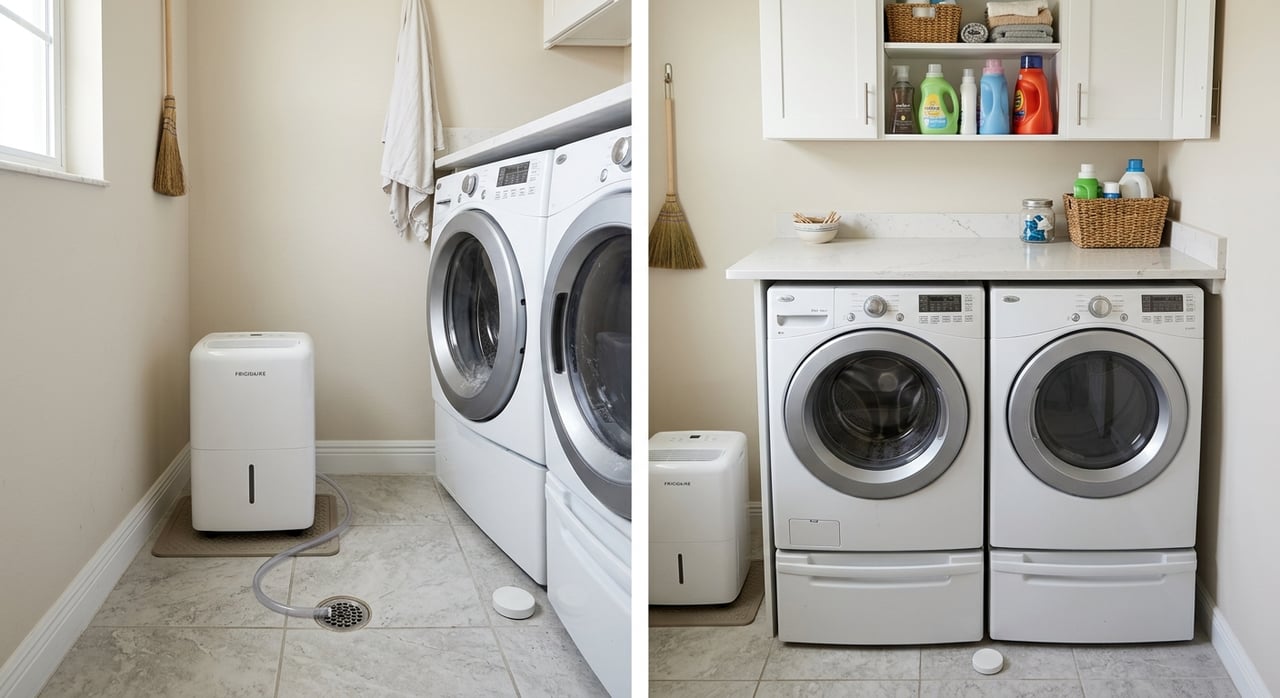
Control humidity first
If you do only one thing before leaving, make it a humidity-control plan. In Florida, moisture can lead to mildew, odors, and hidden damage long before you notice a problem.
UF/IFAS recommends servicing your central AC about three weeks before departure. That visit should include cleaning or replacing the filter, cleaning the condensate line, and having a professional check the thermostat and humidistat.
You should not shut the AC off completely. UF/IFAS recommends leaving the system set no higher than 85°F so it runs enough to help manage moisture while you are away.
If you want more control, a smart thermostat can help. According to the Department of Energy, smart thermostats can follow schedules and be adjusted remotely from your phone, which gives you a practical way to monitor conditions from out of state.
Manage water before you leave
After humidity, water management is the next major priority. A small leak or slow drip can become a much bigger issue when no one is home to catch it early.
UF/IFAS recommends turning off the water at the exterior meter unless it is needed for irrigation. It also recommends closing drain stoppers, sealing toilets, and making sure windows and doors are properly weather sealed to keep outside moisture from getting in.
If water does get where it should not, speed matters. EPA guidance says water problems should be fixed promptly and wet materials should be dried quickly, ideally within 24 to 48 hours.
Prepare the inside of the house
A clean, simplified home is easier to protect while vacant. The goal is to remove things that attract pests, hold moisture, or create unnecessary risk.
Before you leave, UF/IFAS recommends:
- Emptying the refrigerator and freezer
- Removing food from cabinets
- Vacuuming upholstered furniture
- Unplugging appliances and electronics
- Leaving interior doors open for air circulation
- Replacing backup batteries in fire alarms, thermostats, security systems, and automatic watering systems
These simple steps reduce the chances of odor, pests, and equipment failure while the house is empty.
Stay ahead of exterior wear
The outside of your home needs just as much attention as the inside. Rain, wind, landscaping overgrowth, and small maintenance issues can build up fast during an extended absence.
UF/IFAS recommends directing water away from the home, cleaning gutters and downspouts, checking shingles and flashing, and sealing gaps around windows and doors with caulk and weatherstripping. It also recommends keeping landscaping about three feet from the foundation so air can move freely.
If your neighborhood or community handles part of the exterior maintenance, confirm exactly what is covered. Do not assume every service is included just because the home is in a managed community.
Protect the yard, patio, and pool
Outdoor areas can become a weak point if they are ignored. Loose furniture, overgrown landscaping, and standing water can all create preventable problems.
Before leaving, trim and mow the yard, remove standing water, and store loose outdoor furniture so it does not become storm debris. Those steps matter year-round, but they become especially important during hurricane season, which NOAA says runs from June 1 through November 30.
If your home has a pool, UF/IFAS recommends cleaning it before you leave and arranging service every seven to ten days to maintain water balance. It also says not to drain the pool, because heat and rain can damage an empty shell.
Prevent pests with routine care
Pest control works best when you focus on prevention. In Florida, termite and moisture-related pest pressure can be a year-round concern.
UF/IFAS recommends keeping the home clean and dry, storing food properly, minimizing moisture, avoiding wood-to-ground contact, and maintaining an inspection gap at the base of exterior walls. Regular inspections are also important, especially if the home sits vacant for part of the year.
In other words, a dry, tidy home is not just easier to return to. It is also less inviting to pests.
Build a storm plan before season starts
One of the smartest things you can do as an out-of-state owner is prepare before a storm is on the radar. Waiting until a watch or warning is issued leaves very little room to coordinate help from another state.
Sumter County says homeowners should complete preparations before tropical cyclone force winds reach the county. County guidance also highlights severe thunderstorms, tornadoes, flooding, and extreme heat as real hazards, so your plan should go beyond hurricane headlines.
A good pre-season storm checklist includes:
- Securing windows and doors
- Reinforcing the garage door
- Protecting the roof
- Trimming trees
- Storing loose outdoor items
- Keeping the pool full rather than draining it
This is one reason storm-ready features and local service contacts make absentee ownership easier. When your home is already set up for Florida weather, last-minute decisions become much simpler.
Keep emergency info organized
Even if you are not in Florida when a storm develops, your home still needs an on-the-ground response plan. Sumter County recommends NOAA Weather Radio and AlertSumter for official alerts and watches and warnings.
The county’s disaster kit guidance is also a helpful reminder of what should be documented and ready. Suggested supplies include one gallon of water per person per day for five days, at least five days of food, a two-week medicine supply, flashlights, batteries, cash, identification, critical documents, and emergency contacts.
If someone in your household is energy dependent or has special needs, Sumter County says to consider the Special Needs Program through the county’s Emergency Management Department. That is an important reminder that some backup plans need people, not just devices.
Set up mail and package handling
An overflowing mailbox is an easy sign that no one is home. It can also create inconvenience when important documents or deliveries arrive while you are away.
USPS offers Hold Mail for shorter absences, and requests can be made up to 30 days in advance for holds lasting 3 to 30 days. For longer stays away, temporary forwarding is available for 15 days up to 1 year, and standard forwarding lasts 12 months, with extended forwarding available for additional time.
For many seasonal owners, the simplest option is this:
- Use Hold Mail for short trips
- Use forwarding for longer absences
- Ask a trusted local contact to keep an eye on unexpected deliveries
Use security tools that make the home look occupied
Security is not only about alarms. It is also about making the property look cared for and regularly visited.
UF/IFAS recommends stopping or promptly collecting mail and newspapers, using timers for lights, keeping outside lighting in good condition, trimming shrubbery, and having a neighbor or friend check on the home periodically. Those visible signs can make a vacant property look more routinely occupied.
Remote tools can also help you keep tabs on the home. UF/IFAS notes that some security systems allow remote visual and audio access, which can add another layer of reassurance while you are away.
Pair technology with a local person
The best absentee-owner plan is never just a gadget list. It is a simple system that combines remote access with reliable local support.
A strong setup often includes a smart thermostat, a security system, scheduled HVAC service, landscaping care, pool service if needed, pest control, and routine walkthroughs by a trusted local contact. UF/IFAS specifically recommends finding someone to check the home regularly and leaving contact information with neighbors and the HOA.
That is often the difference between stress and confidence. When one person nearby knows your plan, has your vendor list, and can respond quickly, your home is much easier to manage from out of state.
Create a repeatable departure checklist
The easiest way to protect your Villages-area home is to stop relying on memory. A written checklist helps you follow the same process every time you leave.
Your checklist might include:
- Service HVAC before departure
- Set AC no higher than 85°F
- Turn off water at the exterior meter if appropriate
- Remove food and clean the house
- Replace backup batteries
- Check gutters, roof, and seals
- Trim landscaping and store outdoor furniture
- Arrange pool, lawn, and pest service
- Set up mail hold or forwarding
- Confirm your local contact’s check-in schedule
- Review storm supplies and emergency contacts
That kind of routine turns seasonal ownership into something much more manageable.
Peace of mind starts with a plan
You can absolutely leave a home in The Villages for part of the year, but it works best when you treat it like a system instead of a last-minute scramble. Moisture control, water shutoff, exterior upkeep, storm readiness, mail handling, remote monitoring, and a trusted local contact all work together to protect your investment.
If you are buying, selling, or planning a seasonal move in The Villages area, local guidance matters. Working with someone who understands the realities of out-of-state ownership can help you make smarter decisions before problems start. When you need trusted local insight, connect with Amanda Fincher, LLC.
FAQs
Can I leave my The Villages home empty for months?
- Yes. UF/IFAS guidance supports long absences if you manage humidity, control water, maintain the exterior, and have someone local check on the property.
Should I turn off the AC in my Sumter County home while I am away?
- No. UF/IFAS recommends leaving the AC set no higher than 85°F so it cycles often enough to help control moisture.
What is the biggest risk for an out-of-state home in The Villages?
- Moisture is one of the biggest overlooked risks because high humidity, leaks, and condensation can lead to mildew, mold, and pest issues.
What is the best mail option for a seasonal home in The Villages?
- USPS Hold Mail works well for short trips, while forwarding is usually the better fit for longer absences.
Does an inland location like Sumter County still need storm prep?
- Yes. Sumter County guidance says homeowners should complete preparations before tropical-cyclone-force winds arrive, and NOAA notes that inland areas can still face wind, heavy rain, flooding, and tornadoes.
What should a local backup plan include for a Villages-area vacant home?
- A strong plan includes a trusted local contact, regular walkthroughs, emergency contacts, and scheduled services for HVAC, landscaping, pool care if needed, and pest control.