Want to spend more time on the water and less time pulling weeds or scheduling repairs? In Lake County, a few smart, low‑maintenance upgrades can help you cut weekly chores and give buyers confidence that your home will be easy to own. You can make practical choices that fit Florida’s climate and highlight features that stand out in photos and showings. In this guide, you’ll see what works best here, how to present it for resale, and where to find local resources. Let’s dive in.
What “low maintenance” means in Lake County
Lake County’s humid subtropical climate brings heat, heavy rain, and seasonal storms. Materials that resist moisture, pests, and UV exposure will save you time and reduce future repairs. Landscaping that needs less water and fertilizer also helps your yard look good with fewer weekend chores. The University of Florida’s Florida‑Friendly Landscaping program shares ways to choose plants and irrigation that thrive with less effort and fewer chemicals. You can learn more through the Florida‑Friendly Landscaping resources from UF/IFAS.
Storm and flood readiness also matter for long‑term upkeep. If your property is near a flood zone or experiences standing water, consider drainage and durable materials on lower levels. You can check your property’s flood risk through the FEMA Map Service Center and review preparedness guidance from the Florida Division of Emergency Management.
Buyers in Florida often look for three things that keep maintenance low over time:
- Durable exteriors that handle moisture and wind
- Energy‑efficient systems that lower utility bills
- Landscaping and hardscaping that are easy to care for
Exterior upgrades buyers love
Roofs and drainage
A newer, storm‑rated roof is one of the most reassuring upgrades for buyers. Impact‑resistant shingles or a metal roof can reduce future repair cycles and may help with insurance. Properly sized gutters, downspout extensions, and a drip edge move water away from the home and protect your exterior and landscaping. For wind requirements and best practices, review standards tied to the Florida Building Code.
Quick tips:
- Document the roof’s install year, materials, and permits
- Add gutter guards to cut cleaning time
- Confirm good grading and splash blocks to keep water away from the foundation
Impact windows and doors
Impact‑rated windows and doors reduce storm prep and often need less upkeep than older units. Energy‑efficient frames and glass can also help manage heat and humidity. For efficiency guidance and product types, see ENERGY STAR’s recommendations.
Quick tips:
- Keep product labels and warranty details
- Note installation dates in your listing description
- If you use shutters instead, store and label hardware for easy buyer handoff
Siding and paint
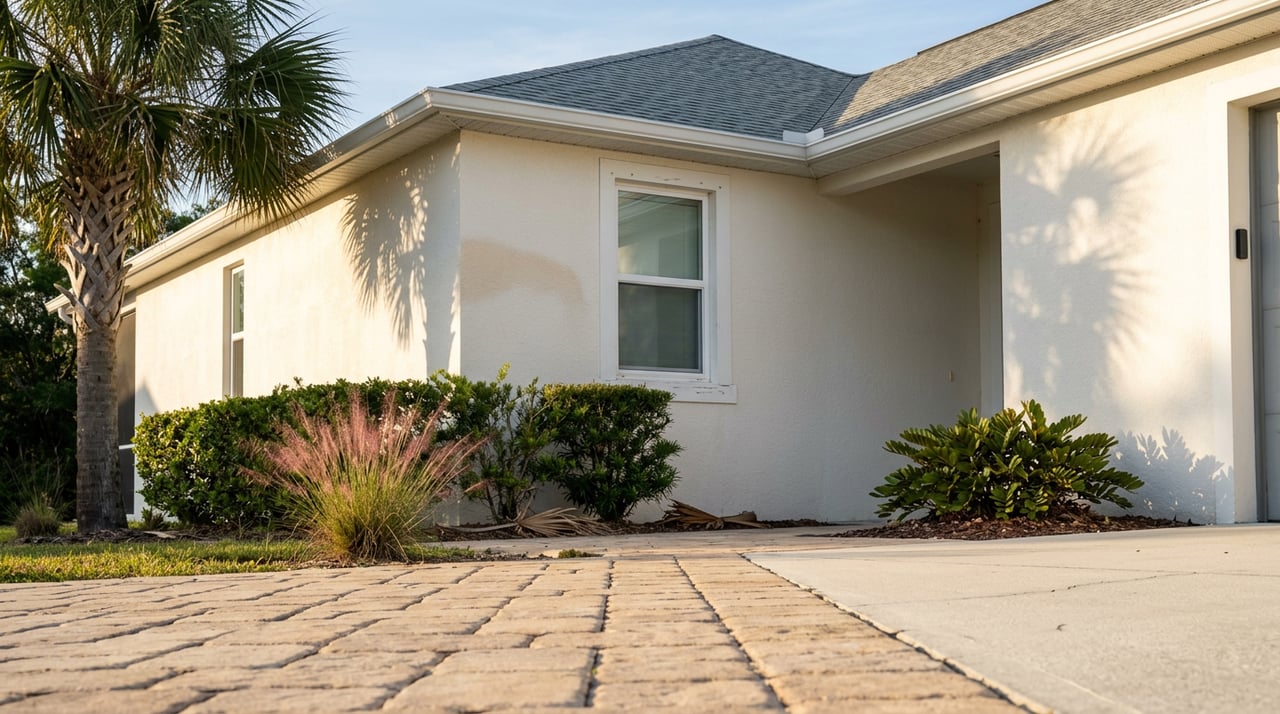
Vinyl and fiber‑cement siding are popular for their durability in Florida’s humidity. They resist rot and pests better than wood and need less frequent painting. If you prefer painted finishes, pair high‑quality exterior paint with PVC or fiber‑cement trim to reduce scraping and repaint cycles.
Quick tips:
- Power‑wash gently to maintain curb appeal
- Choose lighter colors to minimize heat absorption
- Keep touch‑up paint and color codes handy for buyers
Decks and outdoor living
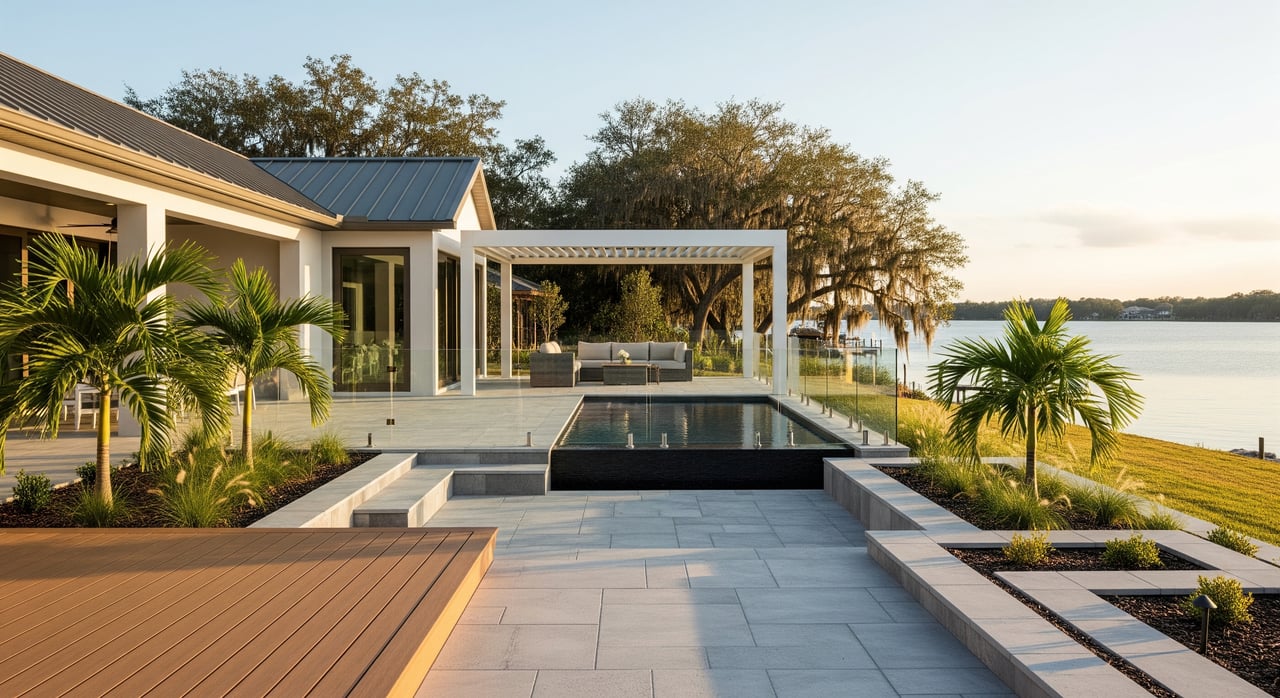
Composite or capped‑PVC decking avoids the sanding, sealing, and splintering that come with many wood decks. Aluminum or coated‑metal railings resist corrosion and keep touch‑ups to a minimum. In Florida sun, lighter deck colors can be more comfortable underfoot.
Quick tips:
- Design for airflow under the deck to reduce trapped moisture
- Use concealed fasteners for a clean, durable finish
- Add simple, solar‑powered lighting for low‑maintenance ambiance
Landscaping and irrigation
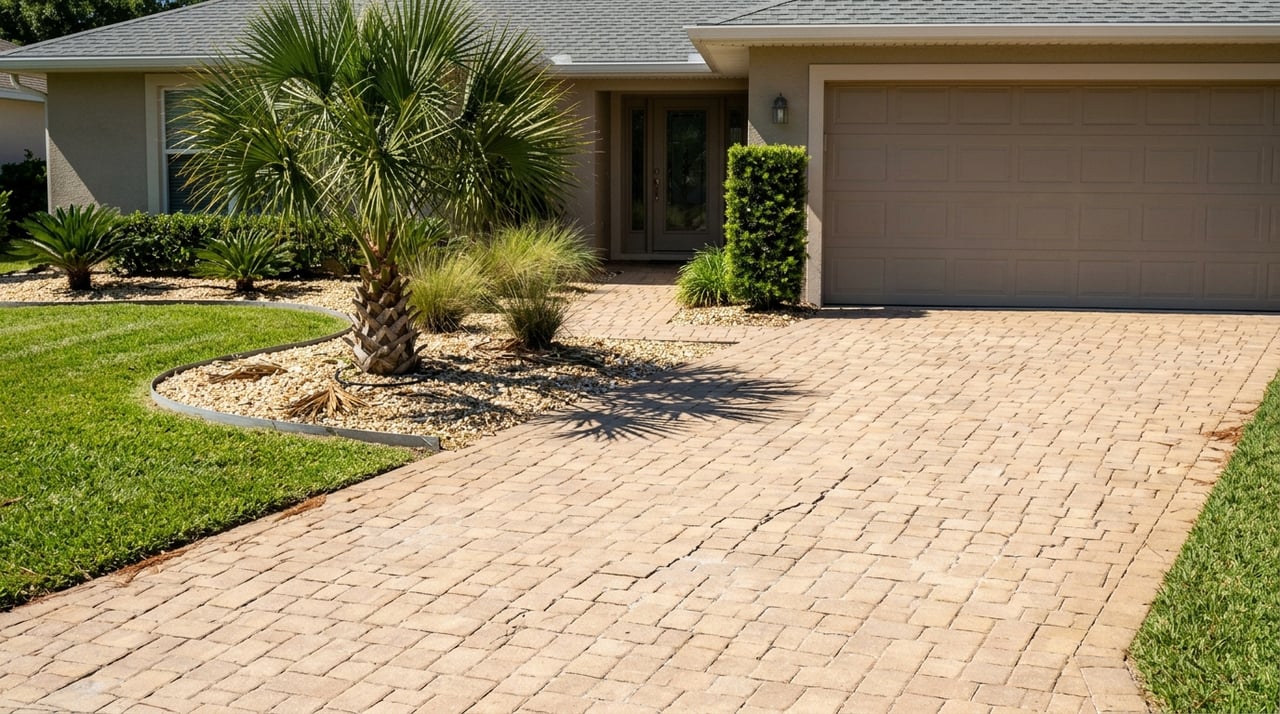
A low‑upkeep yard still looks great with smart plant choices. Use native and drought‑tolerant plants, mulch or groundcover, and a smart irrigation controller that adjusts for weather. The UF/IFAS Florida‑Friendly Landscaping guidance can help you create a plan that needs fewer chemicals and less water.
Quick tips:
- Reduce turf grass where possible and extend beds with mulch
- Group plants by water needs and convert to drip irrigation in beds
- Ensure downspouts and swales move water away from the home
Driveways and hard surfaces
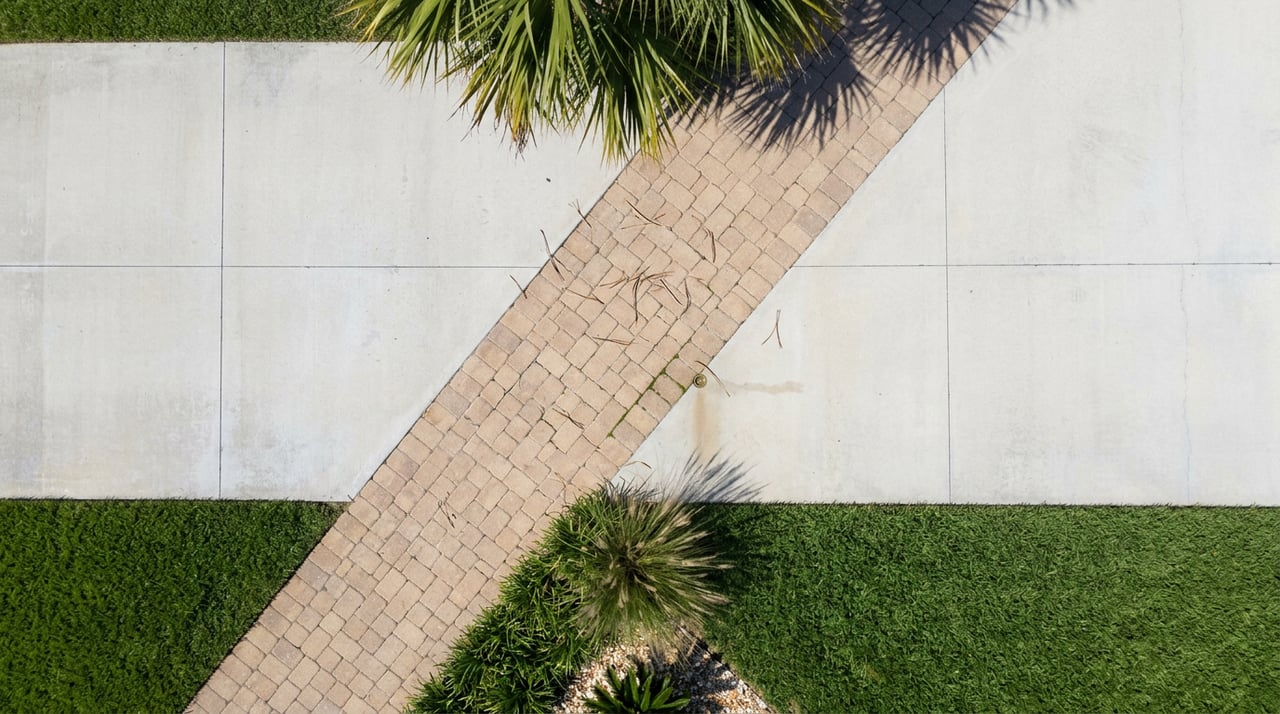
Pavers with polymeric sand are easy to spot repair, and sealed concrete resists stains from leaves and vehicles. Permeable pavers help with drainage and reduce standing water after storms.
Quick tips:
- Reseal concrete or pavers on a set schedule for easy cleanup
- Keep extra pavers in the garage for quick replacements
- Use a stiff broom and mild cleaner for routine maintenance
Interior and systems that cut upkeep
Durable flooring
Luxury vinyl plank and porcelain tile handle humidity, spills, and heavy use without frequent refinishing. They are easy to clean and resist scratching. Many buyers prefer hard surfaces in main living areas to reduce allergens and long‑term replacement costs.
Kitchens that clean easily
Quartz or engineered‑stone countertops are non‑porous, stain‑resistant, and do not need yearly sealing. Cabinet doors with durable finishes and soft‑close hinges reduce wear and tear. Choose appliances with fingerprint‑resistant finishes and simple, replaceable parts.
Bathrooms built to last
Porcelain or large‑format tile with epoxy grout reduces staining and makes cleaning easier. Quality shower glass and good drainage help reduce mildew buildup. Simple, timeless fixtures hold up better for resale.
HVAC, water heaters, and pests
In Florida, a reliable, efficient HVAC system is essential. A properly sized, high‑efficiency unit with a smart thermostat can lower bills and service calls. For water heating, consider a high‑efficiency tank or tankless unit with clear maintenance records. Because Florida has significant termite pressure, up‑to‑date inspection and treatment documentation reassures buyers. Learn more about prevention and treatment through UF/IFAS entomology resources.
Smart protection
Smart irrigation controllers, leak detectors with auto‑shutoff, and garage door monitors give peace of mind, especially for part‑time residents. These systems prevent costly water damage and reduce water waste while letting you manage the home from your phone.
Cost, ROI, and how to market it
Exterior and systems upgrades often pull the best interest from buyers and show strong resale performance. Industry research points to visible curb appeal and durability as reliable value drivers, while taste‑specific finishes can be less predictable. For national and regional patterns, review the latest Remodeling Cost vs. Value analysis and consumer insights from the National Association of Realtors.
Strong balance of cost and appeal:
- New garage door, fresh exterior paint, and clean landscaping edges
- Smart irrigation and leak detection
- HVAC replacement with verifiable efficiency rating
- Kitchen refresh with quartz counters and updated hardware
Higher‑cost but high‑confidence in Florida:
- New, wind‑rated roof with permitting
- Impact windows and exterior doors
- Fiber‑cement siding when original cladding is failing
How to present upgrades in your listing:
- Be specific: “Impact‑rated windows installed 2022, transferable warranty,” “HVAC 2019, 16 SEER, full service records.”
- Show your receipts: Include permits, invoices, and warranty details.
- Highlight easy care: “Composite deck, no painting required,” “Smart irrigation with rain sensor.”
Permits, contractors, and documentation in Lake County
Many exterior, structural, and mechanical projects need permits in Lake County, including reroofs, new windows that alter openings, HVAC changes, and major electrical or plumbing work. Before listing, confirm your upgrade permits and final inspections with the Lake County Building Division. If work was done without a permit, disclose it and consult a professional about next steps.
When hiring, choose licensed and insured contractors and verify license status with the Florida Department of Business & Professional Regulation. Ask for references for similar Florida projects, confirm familiarity with wind requirements associated with the Florida Building Code, and get written scopes and warranty terms.
Checklist for smooth closings:
- Permit numbers and passed final inspections
- Product manuals, warranty transfers, and receipts
- Roof age, materials, and wind mitigation details
- HVAC model, install year, and service records
- Termite inspection and treatment documentation
Next steps
If you want to boost buyer appeal without adding to your weekend to‑do list, start with the projects above that match your home’s condition and price point. Not sure which upgrades will deliver the best return in your neighborhood? Let a local expert help you prioritize and present them.
Have questions or want a data‑backed plan to prep your home for market? Reach out to Amanda Fincher, LLC for a free, customized valuation and game plan tailored to Lake County.
FAQs
What low‑maintenance upgrades fit Lake County’s climate?
- Focus on storm‑rated roofs, impact windows, durable siding, and Florida‑Friendly landscaping that handles heat, humidity, and heavy rain with less upkeep.
Are impact windows worth it for Florida buyers?
- Many buyers value the storm protection, energy performance, and reduced prep, and they often respond well when you document install dates and warranties.
Which projects usually offer strong resale value?
- Exterior and systems updates like a newer roof, HVAC with clear records, garage doors, impact windows, and curb appeal improvements tend to attract buyers.
Do I need permits for upgrades in Lake County?
- Most reroofs, HVAC changes, electrical or plumbing updates, and structural window or door work require permits; keep permit numbers and final inspections.
How should I document termite prevention for buyers?
- Provide recent inspection reports, any treatment contracts, and maintenance notes that show proactive care and no wood‑to‑soil contact around the home.