Trying to picture a regular Tuesday in The Villages? If you have heard about golf carts, live music, and endless clubs, you are on the right track. Still, it helps to see how the days actually flow and what everyday errands, social time, and costs look like. This guide walks you through a typical day, weekend rhythms, and practical tips so you can decide if life in The Villages fits your goals. Let’s dive in.
Morning rhythms in The Villages
Early exercise and outdoors
Many residents start early while it is cool. You will see walkers on paths, cyclists heading out, and neighbors meeting for golf. Pools and fitness classes kick off in the morning at recreation centers, with options like water aerobics, yoga, or strength sessions.
Rec center meetups
Morning is prime time for clubs, arts and crafts, and small-group meetups. If you enjoy photography, gardening, or cards, you can find a group to join. Newcomers often start by browsing club calendars, then dropping into a class to meet people.
Errands by golf cart
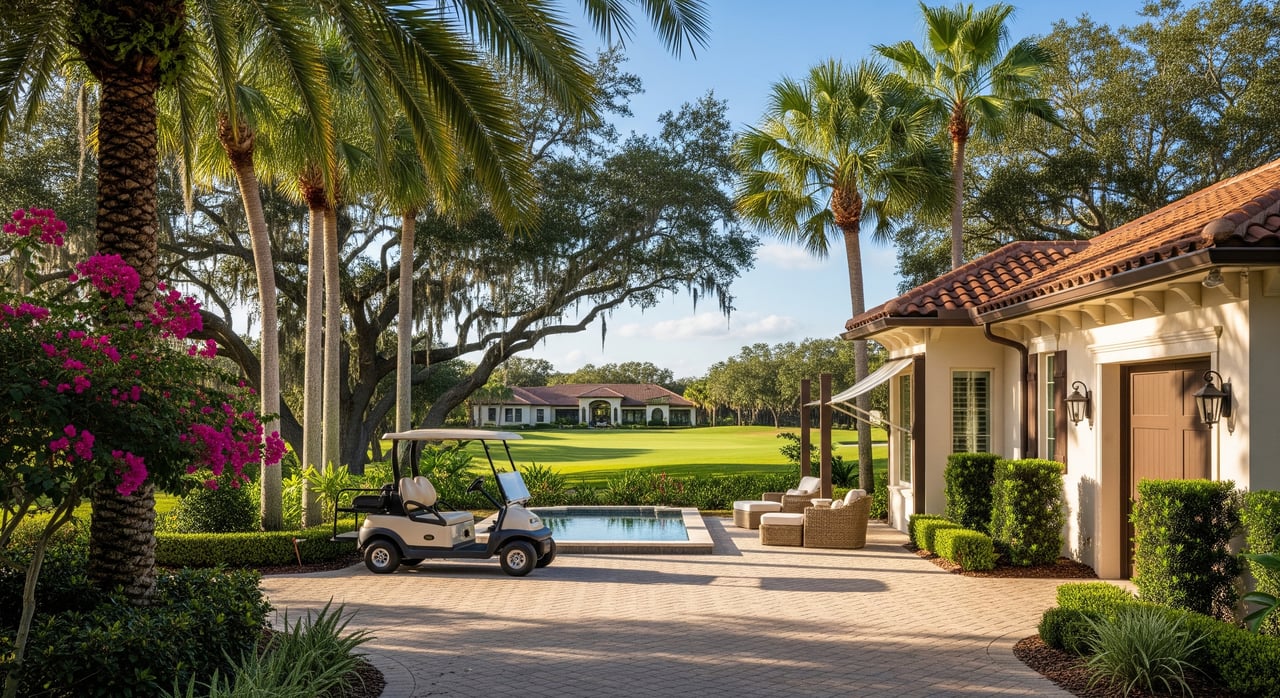
Mid to late morning is a popular window for errands. The golf cart is a defining part of daily life here, and many routes connect neighborhoods to shopping and services. You can reach town squares, rec centers, and nearby stores without getting in the car for short trips.
Midday choices
Clubs and volunteering
From late morning into the afternoon, clubs host meetings, classes, and workshops. You can also find volunteer opportunities with local nonprofits or community groups. Many residents build a weekly schedule around a mix of hobbies and service.
Lunch and downtime
Town squares offer casual lunch spots and coffee for a relaxed break. Some afternoons are for home projects, reading by the pool, or appointments in surrounding towns. The pace is flexible, so you can keep it easy or stay busy.
Late afternoon to evening
Play before dinner
Pickleball and tennis courts fill up again later in the day. Golfers head to the range or a quick nine. If you prefer the pool or a local walking loop, it is a great time to unwind before dinner.
Nights at the town squares
Evenings are a social highlight. The three main hubs — Spanish Springs, Lake Sumter Landing, and Brownwood Paddock Square — typically feature live music and dancing outdoors. Restaurants and pubs in and around the squares set the stage for dinner with friends.
Night classes and shows
You can also catch an evening class, a community theatre production, or a tribute band. The nightlife is lively yet geared to older adults, with music, dancing, and conversation rather than late-night clubbing.
Weekends and seasons
Weekend events
Weekends often bring larger concerts, craft fairs, markets, and special gatherings. Brunch is a favorite, and you will see more visitors in the squares.
Peak-season patterns
Seasonal residents swell the population in winter. Expect fuller classes, busier restaurants, and more crowded entertainment during those months. Summer is quieter with easier parking and shorter lines.
Amenities and logistics
Recreation centers and clubs
Recreation centers offer fitness rooms, pools, studios, and arts and crafts spaces. Schedules and usage rules vary by facility, and certain programs may require sign-ups. Hundreds of clubs cater to hobbies, performing arts, social groups, and volunteering, so you can tailor your calendar to your interests.
Getting around
Golf carts are common for short trips, with roads and parking designed to accommodate them. Cars are still part of daily life for longer drives and appointments. Be sure to review local golf-cart safety and road-use rules before you move or visit.
Dining, shopping, healthcare
Town squares gather restaurants, shops, and entertainment stages in walkable clusters. You will also find multiple grocery stores, pharmacies, and retail options within or near the community. Clinics and primary care are available in and around The Villages, with hospitals and specialists in nearby towns. If aging-in-place is part of your plan, explore local home-care services and area assisted-living and memory-care options.
Housing and costs
Home types and ownership
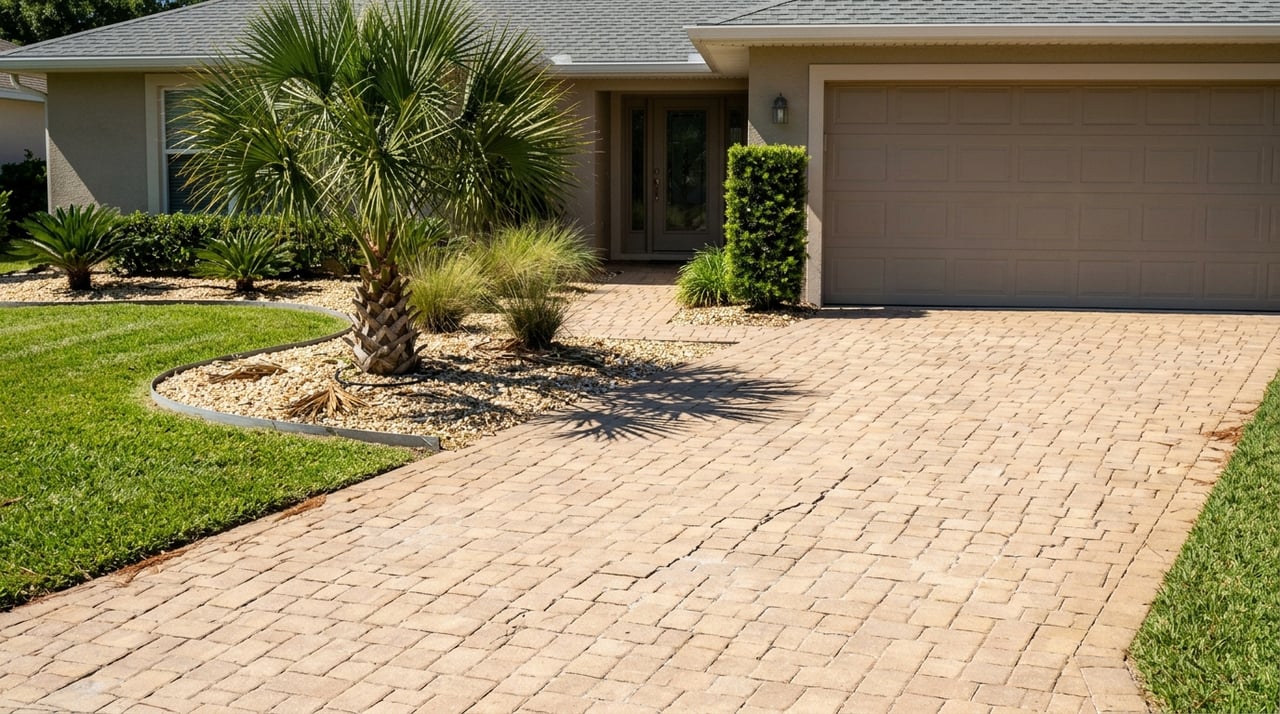
The Villages includes a mix of single-family homes, villas, and neighborhood styles at different price points. Most homes are privately owned and part of an HOA. Age-restriction covenants and deed restrictions guide property appearance, parking, and amenity use, so review those documents before you buy.
Fees, taxes, and insurance
Budgets vary by lifestyle. You may have HOA dues and optional memberships for certain programs or golf. Florida has no state income tax, but you should assess local property taxes and homeowners insurance, including wind and hurricane coverage. Keep room in your plan for dining out, activities, and travel if you split time between states.
Guest and visitor rules
Visitor and rental policies can differ by neighborhood. If you expect extended stays from family or plan to rent your home seasonally, confirm guest rules and any short-term restrictions with the HOA or community documents.
Culture and social life
Making friends and feeling at home
The Villages is built for connection. You can meet people quickly by attending newcomer events, joining a recurring class, or volunteering. It helps to be proactive: introduce yourself, test a few clubs, and commit to a regular schedule for a month.
Quiet days are welcome too
Not everyone keeps a packed calendar. Many residents prefer coffee on the lanai, a morning walk, and a low-key evening at home. You can dial activity up or down as your energy and interests change.
How to test-drive the lifestyle
- Visit on a weekday morning, a weekday evening, and a weekend to see different rhythms.
- Spend time in Spanish Springs, Lake Sumter Landing, and Brownwood Paddock Square to compare vibes.
- Drop into a club or class that matches your interests and chat with members.
- Rent a golf cart for a day to learn routes and parking patterns.
- Plan visits in winter and summer to understand crowd levels and weather.
Practical tips before you buy
- Read HOA covenants, deed restrictions, and community development district details for your target neighborhood.
- Ask about amenity access, guest policies, and any program sign-ups that matter to you.
- Verify estimated monthly costs, including HOA dues, utilities, and insurance.
- Map your typical week: fitness, hobbies, healthcare, and dining, then confirm how far each is from the homes you like.
- Consider weather and mobility. Plan for heat, storms, and cart-safe routes year-round.
- Speak with a local real estate expert who focuses on The Villages to align neighborhoods with your priorities.
Ready to explore homes that match your day-to-day? Reach out to Amanda Fincher, LLC for local guidance, neighborhood insight, and a smooth plan to buy or sell in The Villages. Get Your Free Home Valuation and see your options with no pressure.
FAQs
Is The Villages age restricted and how does it affect daily life?
- The Villages is primarily a 55-plus community with rules set through HOA and deed restrictions, so review your neighborhood’s covenants for age and amenity guidelines.
How does daily transportation work in The Villages?
- Golf carts are widely used for short trips and many routes connect homes to squares and services, while cars are common for longer drives and appointments.
What costs should I plan for beyond mortgage or rent in The Villages?
- Budget for HOA dues where applicable, optional amenity or golf programs, property taxes, homeowners insurance, and lifestyle choices like dining and activities.
Is The Villages good for aging in place?
- Many residents plan ahead using local clinics, home-care providers, and nearby assisted-living and memory-care options, but you should verify current services and waitlists.
Will I be bored or overwhelmed living in The Villages?
- You can choose a quiet routine or a full schedule of clubs, classes, and music at the squares; start with a few recurring activities to find your perfect pace.
How crowded does The Villages get in winter?
- Seasonal residents increase activity during winter months, so expect busier classes, restaurants, and entertainment; summers are typically quieter.